GEAR
Best Espresso Machines for Home (2026): Which Type Fits Your Kitchen
The best home espresso machines by type and budget — from beginner-friendly Breville models to the Gaggia Classic Pro — and what to look for before you buy.
By Origin & Cup Editors · Published October 14, 2026 · 4 min read
Disclosure: We may earn a commission when you buy through links on this page, at no extra cost to you. As an Amazon Associate, Origin & Cup earns from qualifying purchases. How we make money.
Our top picks at a glance
- Check price
Best for beginners who drink lattes
1. Breville Bambino Plus - Check price
Best all-in-one with a built-in grinder
2. Breville Barista Express - Check price
Best budget pick for small kitchens
3. De'Longhi Dedica (EC685) - Check price
Best for learning real espresso
4. Gaggia Classic Pro - Check price
Best push-button (super-automatic)
5. Philips 3200 Series with LatteGo
 Free calculatorHome vs. Café Coffee Savings Calculator
The best espresso machine for home depends less on brand than on how you drink coffee. If you want lattes with minimal fuss, an easy machine with automatic milk (like the Breville Bambino Plus) is the right call. If you want everything in one box, the Breville Barista Express includes a grinder. If you want to learn espresso properly, the Gaggia Classic Pro is a classic. And if you just want to press a button, a super-automatic like the Philips 3200 LatteGo does it all.
How we chose: We have not tested these machines hands-on. Our picks come from manufacturer specifications and manuals, the design features that matter for espresso (temperature control, portafilter size, steam power, grinder quality), and long-running patterns in owner reviews and home-barista communities. We’ll update this guide if we test any of them ourselves — and we’ll say exactly how.
Quick picks
| Machine | Best for | Grinder | Milk |
|---|---|---|---|
| Breville Bambino Plus | Beginners who drink lattes | No | Automatic |
| Breville Barista Express | All-in-one | Built in | Manual wand |
| De'Longhi Dedica EC685 | Budget, small kitchens | No | Manual frother |
| Gaggia Classic Pro | Learning real espresso | No | Manual wand |
| Philips 3200 LatteGo | Push-button convenience | Built in | Automatic |
Prices change constantly, so we link to current listings instead of quoting numbers that go stale.
First, pick the right type
Semi-automatic (most home machines). You grind, dose and tamp; the machine pumps the water and you stop the shot. Most control, most to learn. The Bambino Plus, Barista Express, Dedica and Gaggia are all in this group.
Super-automatic. The machine grinds, tamps, brews and often froths milk at the press of a button. Easiest by far, with less control and usually a less intense shot.
Manual lever. You generate the pressure yourself with a lever. Great espresso is possible for less money, but there’s no steam wand on most models and the workflow is very hands-on. We cover these in our upcoming manual espresso guide.
What actually matters in an espresso machine
1. The grinder (yes, first)
Espresso needs a very fine, precisely adjustable grind. A great machine with a poor grinder makes worse espresso than a modest machine with a good one. If a machine has no built-in grinder, budget for an espresso-capable burr grinder at the same time. Blade grinders won’t work.
2. Temperature stability
Espresso is sensitive to water temperature. Thermoblock and thermocoil/ThermoJet heaters heat water on demand and warm up fast. Boiler machines like the Gaggia hold more thermal mass but can drift without electronic temperature control (PID). Higher-end machines use PID controllers or dual boilers to keep temperature steady.
3. Portafilter size
The 58 mm portafilter is the commercial standard, with the widest choice of baskets, tampers and accessories. Breville’s 54 mm and De'Longhi’s 51 mm work fine but give you fewer upgrade options.
4. Pressurized vs. standard baskets
Pressurized (dual-wall) baskets create pressure artificially, so they forgive pre-ground or unevenly ground coffee — good for beginners and budget setups, but they cap quality. Standard (single-wall) baskets need a good grinder but make better espresso. Several machines here include both.
5. Milk steaming
If you drink lattes and cappuccinos, steaming matters as much as espresso. Automatic wands (Bambino Plus) and milk systems (LatteGo) are easy. Manual steam wands (Barista Express, Gaggia) take practice but can make silky microfoam for latte art. Panarello-style frothers (Dedica) make airy foam that’s fine for cappuccino-style drinks.
The best espresso machines for home
Best for beginners who drink lattes
1. Breville Bambino Plus
A compact machine built around speed and easy milk. Its ThermoJet heater is ready in seconds, and the automatic steam wand textures milk on its own at the temperature and foam level you choose — the hardest skill for new home baristas, handled for you.
- Heating
- ThermoJet (rated ~3 s heat-up)
- Portafilter
- 54 mm
- Milk
- Automatic steam wand, adjustable temp & texture
- Grinder
- None — needs a separate grinder
What stands out
- Ready to brew almost immediately
- Hands-off milk texturing
- Small footprint
Trade-offs
- No built-in grinder; budget for an espresso-capable one
- 54 mm accessories are less common than 58 mm
Best all-in-one with a built-in grinder
2. Breville Barista Express
One of the most popular home espresso machines because it removes the separate-grinder problem: a conical burr grinder sits on top and doses straight into the portafilter. A pressure gauge helps you see whether your grind is in the right range.
- Heating
- Thermocoil
- Portafilter
- 54 mm
- Milk
- Manual steam wand
- Grinder
- Built-in conical burr
What stands out
- Everything you need in one box
- Pressure gauge makes dialing in easier to learn
- Takes both pressurized and standard baskets
Trade-offs
- Built-in grinder can't be upgraded on its own
- Manual milk steaming takes practice
Best budget pick for small kitchens
3. De'Longhi Dedica (EC685)
About six inches wide, the Dedica fits where most machines don't. It ships with pressurized baskets, which are forgiving of pre-ground coffee and inconsistent grinders — a sensible starting point if you're not ready to spend on a grinder yet.
- Heating
- Thermoblock
- Portafilter
- 51 mm
- Milk
- Manual frother (panarello-style)
- Width
- About 6 in
What stands out
- Very small footprint
- Pressurized baskets forgive pre-ground coffee
- Lowest cost of entry here
Trade-offs
- Frother makes airy foam rather than silky latte milk
- 51 mm size limits accessory upgrades
Best for learning real espresso
4. Gaggia Classic Pro
A long-running design with commercial-style parts: a 58 mm portafilter (the café standard), a three-way solenoid valve that leaves a drier puck, and a real steam wand. It rewards a good grinder and some practice, and it has a large community of owners and upgrade parts.
- Boiler
- Single boiler
- Portafilter
- 58 mm (commercial size)
- Milk
- Manual steam wand
- Valve
- Three-way solenoid
What stands out
- 58 mm accessories are everywhere
- Simple, repairable design with wide parts availability
- Real steam wand for latte-art milk
Trade-offs
- Single boiler: wait between brewing and steaming
- No built-in temperature control (PID) as standard
- Needs a capable espresso grinder to shine
Best push-button (super-automatic)
5. Philips 3200 Series with LatteGo
For people who want café-style drinks with no learning curve. It grinds, doses, tamps and brews at the press of a button, and the LatteGo milk system has no tubes — just a couple of parts that rinse clean.
- Type
- Super-automatic
- Grinder
- Built-in ceramic grinder, 12 settings
- Milk
- LatteGo automatic milk system (no tubes)
What stands out
- One-touch espresso, coffee and milk drinks
- Easy-to-clean milk system
- Nothing to learn
Trade-offs
- Less control over the shot than a manual machine
- Espresso is typically less intense than from a traditional machine
- More internal parts to maintain over time
How much should you spend?
Think in setups, not machines:
- Easiest start: a machine with pressurized baskets (like the Dedica), used with good pre-ground or supermarket coffee. Lowest cost, real limits on quality.
- All-in-one: a machine with a built-in grinder (Barista Express). One purchase, decent results, less flexibility.
- Machine + separate grinder: a Bambino Plus or Gaggia Classic Pro plus an espresso-capable grinder. More cost and counter space, much more room to grow.
- Push-button: a super-automatic. Higher price for the convenience; ideal if nobody in the house wants to learn espresso.
Is it worth it?
If you buy café milk drinks regularly, a home machine usually pays for itself. At five $5.50 lattes a week, you’re spending about $1,430 a year. Try your own numbers in the home vs. café savings calculator — it shows your cost per drink at home and how many weeks your machine and grinder take to pay off.
If you mostly drink black coffee, consider whether you want espresso at all: a pour over or French press costs a fraction as much. Our espresso vs. coffee guide breaks down the differences.
Getting good results from day one
- Use fresh beans roasted within the last few weeks. Stale coffee makes thin, fast-running shots with little crema.
- Weigh your dose and your shot. A good starting recipe is 18 g in, 36 g out, in 25–30 seconds.
- Adjust the grind, not the tamp. Shot too fast and sour? Grind finer. Too slow and bitter? Grind coarser.
- Preheat everything. Run a blank shot to warm the portafilter and cup.
- Clean as you go. Purge the steam wand after every use and backflush (if your machine supports it) as the manual recommends.
Frequently asked questions
What is the best espresso machine for a beginner?
A machine that removes the hardest skills: the Breville Bambino Plus for its fast heat-up and automatic milk frothing, or the Breville Barista Express if you also need a grinder. If you want no learning curve at all, a super-automatic like the Philips 3200 LatteGo is simplest.
How much should I spend on a home espresso machine?
Plan the machine and grinder together. Entry-level setups with a capable grinder commonly start in the mid-hundreds of dollars; spending more mostly buys temperature stability, faster workflow and durability. A cheaper machine with a good grinder usually beats an expensive machine with a poor grinder.
Do I need a separate grinder for espresso?
Yes, unless your machine has one built in or uses pressurized baskets. Espresso needs a very fine, adjustable grind that blade grinders and most drip grinders can't produce.
Is a home espresso machine worth it?
If you regularly buy café milk drinks, usually yes. Five café lattes a week can cost over $1,000 a year; our savings calculator shows how many weeks a machine takes to pay for itself at your prices.
Keep reading
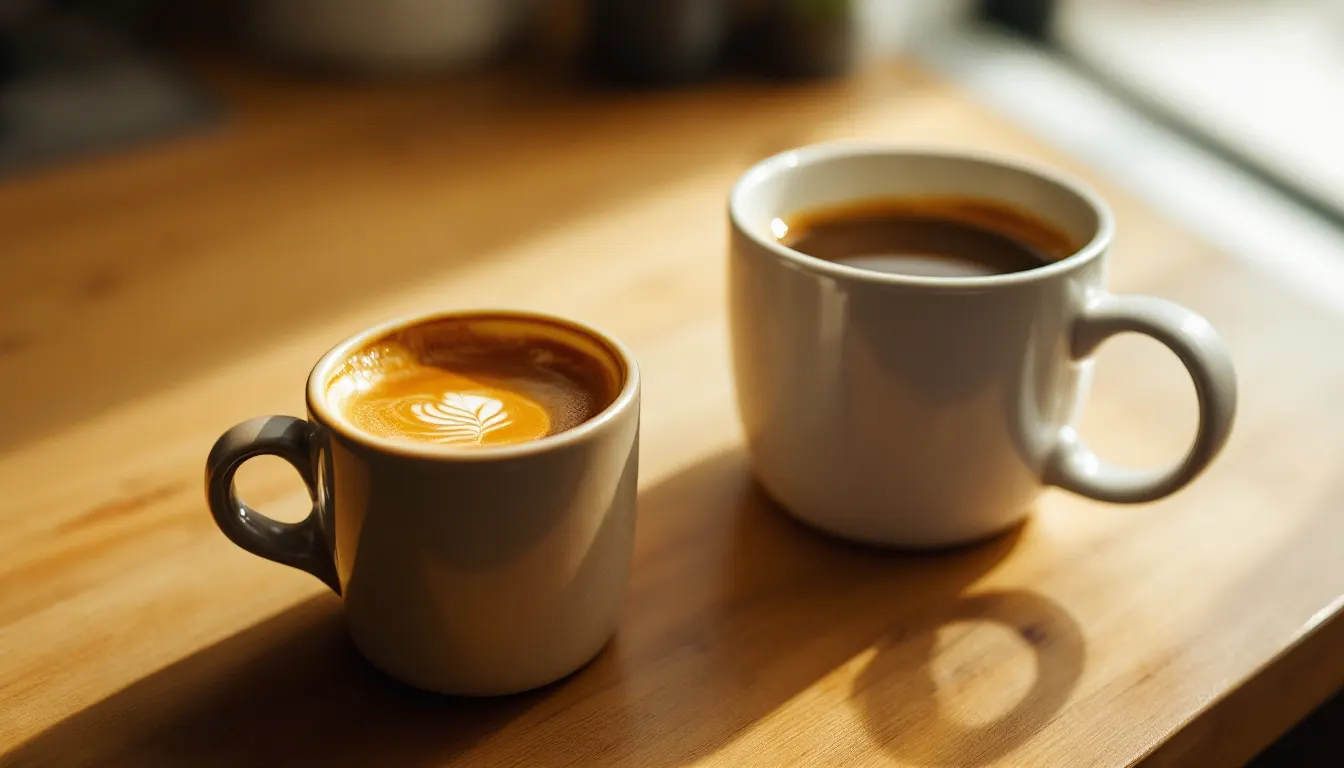
Espresso vs. Coffee: What’s Actually Different (Caffeine, Taste, Beans)
Espresso and coffee use the same beans — the difference is pressure, grind and ratio. Compare caffeine, taste, cost and gear to see which suits you.
5 min read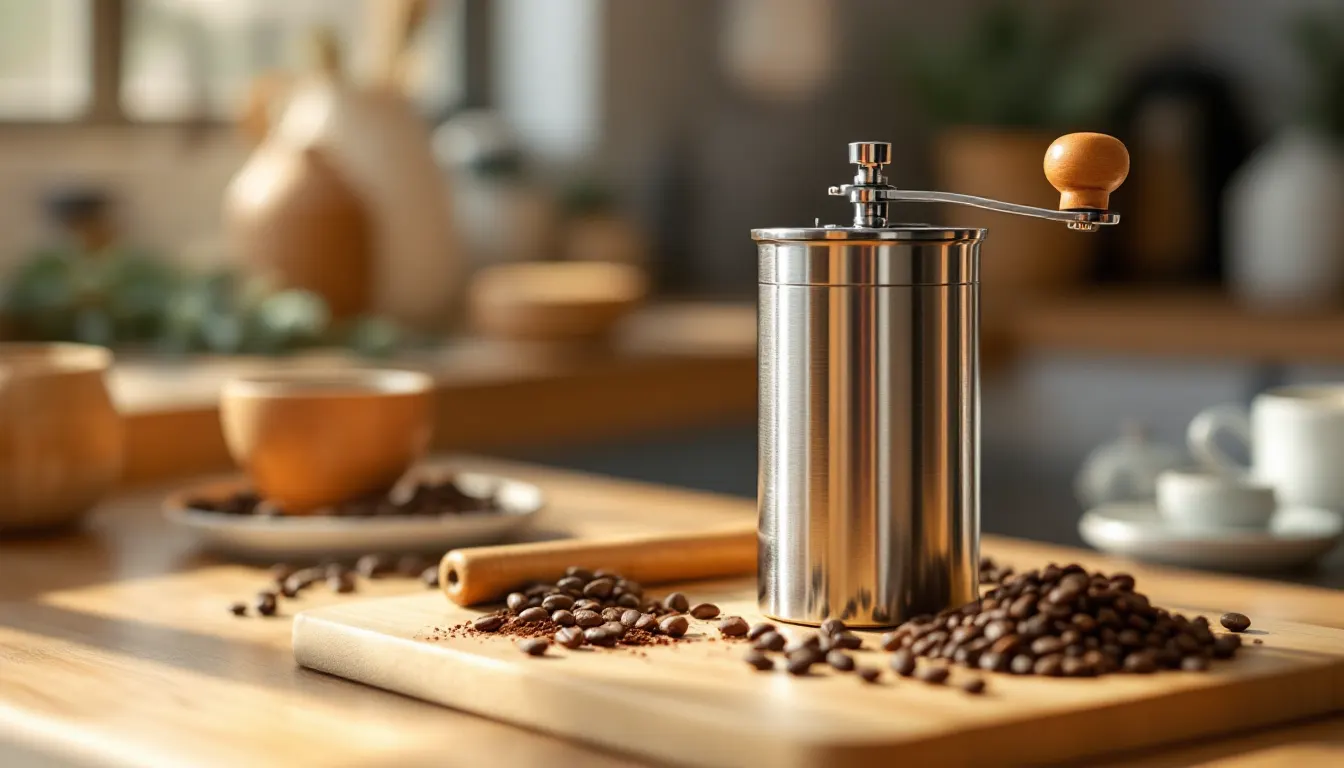
Best Manual Coffee Grinders (2026): Hand Grinders for Every Budget
The best manual coffee grinders for pour over, French press and espresso — from the budget Timemore C3 to the Comandante C40 — and how to choose one.
3 min read
How Much Caffeine Is in a Cup of Coffee? (By Drink and Brew Method)
An 8 oz cup of brewed coffee has about 96 mg of caffeine; a shot of espresso about 63 mg. See amounts by drink, why they vary, and how much is too much.
5 min read